

"Are you still drinking, or are you already collecting?"
The art of whisky collecting - from the selection of rare bottlings to the development of value over time. On this page, you will find out what criteria make an outstanding whisky collection, how to discover promising bottles and what you should look out for when buying as a hobby or investment. Tips on storage, valuation and insurance round off the guide and help both beginners and advanced collectors to successfully build up their personal collection.

Which whisky to collect?

The choice of whisky varieties for a whisky collection depends on personal preferences and goals. Here is an overview of popular categories:
- Rare and limited bottlings: Bottlings in limited quantities or from distilleries that no longer exist are often highly sought after and promise to increase in value.
- Single malts: These whiskies are often of higher quality and more sought-after than blends and offer particular variety due to their individual flavour characteristics.
- Vintage and vintage bottlings: These bottlings come from specific vintages and represent the style and quality of a particular era.
- Independent bottlings: Whiskies from independent bottlers are often rarities and are bottled in smaller batches, which makes them unique and collectible.
Beginner's guide: Whisky for beginners
Are you fascinated by whisky and thinking about buying a whisky collection? Here are some practical tips and recommendations for beginners:
- Interest and objective: Define your objective and think about why you want to start collecting. Do you want to discover the different flavours, build up your collection as an investment or simply enjoy special bottles?
- Acquire knowledge: Inform yourself comprehensively about everything to do with whisky. Read books, blogs and articles about whisky varieties, regions and distilleries. Recommended authors include Jim Murray and Michael Jackson. You can also use our knowledge pages, our whisky databases and online forums. You can also take part in whisky tastings and other whisky events to sample whiskies.
- Financial planning: Set a budget for the purchase of whiskies. Take into account both the cost of bottles and storage.
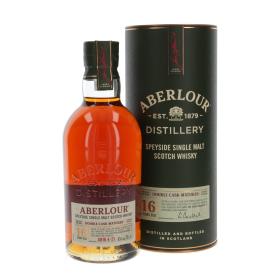
- Choose the first bottle: Start with simple, classic and well-known whiskies that offer many flavours, e.g. Glenfiddich 12, Aberlour 12 or Talisker 10. Also consider regional diversity and choose your collection from different regions and countries to discover a wider range of flavours.
Whisky collection for enjoyment
A collection for personal enjoyment is particularly suitable for whisky lovers who want to explore the variety and depth of the drink. Here you can select whiskies produced in different regions and distilleries. Particularly interesting here are:
- Diverse flavour profiles: From smoky, peaty Islay malts to fruity, sweet Highland whiskies.
- Special maturations and cask ageing: Experiments with different casks, such as sherry or wine casks, give the whisky unique notes.
- Whiskies from all over the world: Whisky and whiskey can be found all over the world. Keep an open mind and try the different distillates, which come from different distillation methods, different types of grain and different cask storage.
Whisky collection as an investment

Collecting whisky as an investment is a growing trend and an alternative to traditional investments. However, it is a complex area that requires careful planning.
Whisky collectors often start with one bottle per distillery, but soon develop a strategy of buying three bottles: one for drinking, one for collecting and one for future appreciation or bartering purposes. As collectors gain experience, they focus on rare rarities, as standard bottlings become less appealing and rare bottles promise higher collector values.
Here are some important aspects:
- Budget: Think about your personal budget and stick to it! In our opinion, money that you invest in whisky should be money that you can spare alongside other short and long-term investments.
- Long-term value potential: Older whiskies and rare bottlings have the potential to increase in value, especially if they have been well stored and not opened.
- Rarity and demand: Whiskies from closed distilleries or limited editions often increase in value. An example of this are whiskies from iconic brands such as Macallan or Port Ellen.
- Risks: The whisky market is subject to fluctuations and trends. A high return is not guaranteed and depends on market developments. Sometimes an artificial shortage influences prices. Critical awareness when buying and a realistic assessment of the increase in value are therefore important.
A well-considered investment in whisky bottlings can therefore be worthwhile!
Recommendations for a whisky collection as an investment
When collecting whisky, certain price ranges are crucial for long-term value growth. Bottles around 130 euros offer good entry-level opportunities, as they are expensive for the average consumer, but still affordable, which allows them to increase in value later on.
Whiskies in the lower price range, around 40 euros, on the other hand, are less suitable as they are produced and exported in large quantities, which reduces their collector's value. Very expensive bottles over 300 euros are also less profitable, as the high purchase price often already prices in the future increase in value.
Selling collector's bottles is difficult! Especially for bottles under 300 euros, as large auction houses only have limited interest in them. However, with strategic purchases and patience, collectors can benefit from significant increases in value over the next 10 to 30 years.
You are welcome to contact info@Whisky.de and we will send you a list of bottles that we believe are suitable for investment.
The value of whisky collections
Supply and demand determine the value of a whisky collection! Many a collector's item has lost its appeal and therefore its value over the course of time, firstly because it is available in large quantities and secondly because interest in it is waning. Whisky, on the other hand, remains interesting for collectors, as rare bottles and limited editions offer a potential increase in value, especially if demand and rarity are right.
The value depends on several factors that can influence the market value and collector appeal of a whisky bottle over the years. Particularly important here are
- Age and maturation: older whiskies that have been matured for a long time often have a higher collector's value. Whiskies that have been matured for 18 years or more are particularly sought after.
- Distillery and brand: Whiskies from renowned distilleries such as Macallan, Ardbeg or Bowmore often enjoy a high reputation and are valued accordingly.
- Closed distilleries: Whiskies from distilleries that no longer exist, such as Port Ellen or Brora, are extremely rare and therefore often particularly valuable to collectors.
- Originality: Special editions and original bottlings are usually more valuable than bottlings from independent bottlers.
- Condition: The bottles should be in perfect condition, unopened and with intact labelling and packaging.
Tips on collecting whisky
If you want to collect whisky successfully, you should follow a few basic tips:
- Storage: Whisky should always be stored upright, in a cool, dry and dark place. You can read more about this topic here (link).
- Knowledge of the market: Find out about distilleries, bottlings and trends. A sound knowledge will help you to avoid bad purchases and make smart decisions.
- Document your collection: Keep a record of your whiskies, their purchase prices and special characteristics. This will make it easier to evaluate and keep track later on.
- Choice of bottlings: Go for a mix of classics and rarities to diversify your collection.
- Specialist retailers: It is important to buy from specialist retailers who offer special bottles that are not available in the shops. Be careful when buying whisky bottles privately.
Mistakes to avoid when collecting whisky
Various mistakes can be made when collecting whisky, which can affect both the enjoyment and potential value of the collection. Here are some common pitfalls to avoid:
- Lack of knowledge: not educating yourself enough about different whiskies, distilleries and market trends can lead you to buy less valuable or less interesting bottles.
- Focusing only on value: If you focus solely on whiskies that are considered investments, you could miss out on enjoyment and discovering new flavours.
- Incorrect storage conditions: Bottles should be stored upright to protect the cork from drying out. Whisky should be stored in a cool, dark and dry place. Too much light, high temperatures or humidity can affect the flavour and quality.
- Lack of documentation: If you don't keep records of your collection, you will lose track of prices, purchase dates and special characteristics, making it difficult to evaluate later. An overview will help you avoid duplicate purchases and keep track of your investments.
Remember that collecting is not just about value, but also about the joy of discovery, tasting and enjoyment!
Conclusion
Collecting whisky can be both a pleasure and a profitable investment. Whether you collect to experience exceptional flavours or see your collection as an investment, it is important to have a clear objective and keep a close eye on the market. With the right selection and storage, whisky can not only be an enjoyable drink, but also a valuable investment.











To comment, you must be logged in