

The independent distilleries are characterised by a spirit of innovation and diversity of craftsmanship. However, of over 130 distilleries in Scotland, most are owned by global corporations - the largest spirits group alone owns around 40 distilleries.
So which distilleries are still considered truly independent?
On this page you will find an alphabetical overview of all independent whisky distilleries as well as a separate list of newly founded distilleries from the year 2000 onwards. Discover the pioneers behind unique flavour profiles and find out what makes independent distilleries so special!
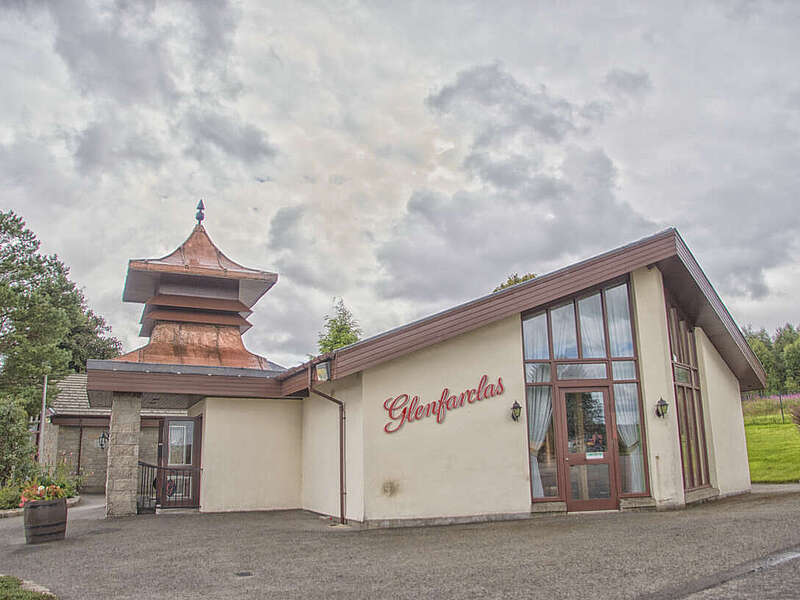
Currently independent distilleries
The distillery only came into being in 1995 and named itself after the Isle of Arran on which it is located. After a second distillery opened on the Isle of Arran in 2019 - it is the Lagg distillery ( see below) - the Arran distillery renamed itself to better distinguish itself and is now called Lochranza.
Originally founded in 1898, Benromach has had a chequered history. It has had to open and close several times. It was finally bought by the independent bottler G&M in 1993 and has been in operation again since 1998.
The Bladnoch distillery in the Lowlands was initially part of the Diageo group. In 1995 it was bought privately by the Armstrong brothers and eventually, after initially different plans, whisky production began. In 2009, it was shut down, only to be bought and reopened by Australian entrepreneur David Prior in 2015. Whisky has been available again since 2000.
The distillery was closed down and restarted in 2005! It is a farm distillery in the Lowlands, newly built and owned by two brothers.
The most 'famous' independent distillery was formerly part of Pernod Ricard. It is a small distillery in the Scottish Highlands. In 2002 it was bought by the independent bottler Signatory Vintage. It is a little gem.
It is the most important privately owned distillery and was built in 1886 and bought by the Grant family in 1865. Since then it has been distilling 6th generation malt whisky and still has wonderful old casks.
The history of Glenyone takes an interesting path. Initially founded by George Connell, the distillery was bought by the Lang brothers in 1876 and renamed Glengoyne in 1905. It went to the Edrington Group in the 1960s and found its way back to the independent bottler Ian MacLeod Distillers Limited in 2003.
In 2017, independent bottler Ian MacLeod revitalised the renowned Rosebank distillery. The aim is to rebuild the distillery and produce whisky.
The distillery has a long history. Its origins date back to 1956 with the purchase of the land, and construction began in 1965. However, it was not until 1990 that the first distillation took place and in 1993 the first whisky was released under the name Drumguish, which was then renamed Speyside at the turn of the millennium. The private investment group Speyside Distillery Company took over in 2000, and in 2012 the distillery went to the family-owned Harvey's of Edinburgh and the name was changed again, to Spey.
The distillery not only distils whisky, but also malts and bottles it itself. Due to economic bottlenecks, production has been at a standstill from time to time. When the distillery was reopened in 1989, the Springbank Distillery Company Limited was founded, which is still run by the Mitchell family today. In addition, the old distillery next to it, the Glengyle Distillery, was reopened in 2000. Whisky is not allowed to be called that because there is already a blend Glengyle, of which the rights are not free. Thus, Mitchell's Glengyle Distillery opened in 2004, launching the whisky with the name Kilkerran!
Originally founded in 1896 by the Tamdhu Distillery Company, several closures and reopenings followed. In 1999, the Edrington Group bought it and sold it to the independent bottler Ian MacLeod in 2011. On 4 May 2013, the time had finally come: the first Whisky since the reopening under Ian MacLeaod was sold.
A special case: Glenfiddich
The Glenfiddich Distillery is one of Scotland's best-known independent whisky distilleries and is still owned by the Grant family today. William Grant built the distillery in Dufftown between 1886 and 1887 and the first raw spirit flowed from the stills on Christmas Day 1887. With the founding of William Grant & Sons, Glenfiddich became a genuine family business that has retained its independence to this day.
In 1961, the distillery made a clear statement on the market: with the iconic triangular bottle, Glenfiddich stood out visually from other brands and at the same time began to actively market its single malt internationally - a revolutionary step at the time that had a decisive impact on its global success. Further innovations followed at the end of the 20th century, including the introduction of the Solera-Vat system for the 15-year-old Glenfiddich in 1998.
Over the decades, Glenfiddich proved to be exceptionally resilient time and time again. During Prohibition in the 1920s, William's grandson Grant Gordon even decided to increase production - a bold move that later paid off. After the end of prohibition, Glenfiddich was one of only six Scottish distilleries to remain in operation and was able to respond immediately to the increasing demand.
Interesting to know!
We would like to mention three distilleries that started out as independent distilleries and maintained their independence for many years, but were eventually absorbed into larger groups:
The distillery was founded in 1881 by the Harvey family. From 1936, it changed hands frequently and was also closed for a time. In 2000, it was sold to the independent bottler Murray McDavid and in 2012 the distillery became the property of the Rémy Cointreau group. It was sold for an impressive price.
Tullibardine has been producing since 1949. The distillery was sold on several times, for example in 1953 and 1971, when Invergordon Distillers made the Tullibardine brand famous. In 1993, the distillery was taken over by Whyte & Mackay, only to be closed shortly afterwards. In 2003, four private individuals bought the distillery. However, it eventually became the property of the French wine and spirits group Picard Vins & Spiritueux in 2011.
Rebirth: Glengyle
Glengyle represents the rebirth of a historic distillery in the heart of Campbeltown. It maintains a close connection to Springbank, focusses on traditional production and operates under its own brand identity, Kilkerran.
The distillery was founded in 1872 by William Mitchell, but closed in 1925. It was not until 2000 that J. & A. Mitchell & Co. took over the site, and the new era began in 2004 with the reopening under the name Glengyle.
However, the whisky is marketed as Kilkerran, as the naming rights to "Glengyle" had been assigned elsewhere. The name "Kilkerran" refers to a historic, early Christian settlement in Campbeltown.
The first bottlings were released in 2007 as a "work in progress". Production only takes place a few months a year, usually from October to December, which contributes to the limited availability of the whiskies.
Start-ups as of the year 2000
The distillery was founded in 2005 as a farm distillery. At that time, it was the first newly established distillery on Islay for 124 years. The grain comes from the distillery's own fields. The peat used is cut by hand. The distillery has experimented successfully with a variety of different whisky finishes.
The very young distillery was founded in 2007 when David Thomson and Teresa Church bought the old dilapidated building of the former Annandale Distillery on the English border in the north-west of Scotland. Distillation began in 2011.
The Abhainn Dearg distillery on the Isle of Lewis was built in 2008 by private citizen Mark Tayburn. The first whisky was bottled as early as 2010.
The distillery was originally founded in 1821 by William Smith and operated by the Smith family until around 1850. After its closure in 1858, the equipment was auctioned off and the site fell into disrepair over the years.
It was not until 2011 that reconstruction began not far from the original site in Thurso, on the north coast of Scotland. The new Wolfburn Distillery is the northernmost distillery on the Scottish mainland and is privately owned. It was established as an independent small business with the support of local investors.
In 2013, the first raw distillate flowed from the stills, and in 2017, Wolfburn presented its first single malt Scotch whisky.
The Glasgow Distillery is the first new single malt distillery within the city limits since 1902. It stands for the goal of reviving Glasgow's urban whisky tradition. The history of the name goes back a long way: the original Glasgow Distillery was founded in Dundashill in 1770 and was taken over by the Glasgow Distillery Company in 1825. To serve the growing market, a column still was installed in 1899. However, despite this investment, the distillery was unable to hold its own and closed in 1903. For more than a century, Glasgow remained without its own malt production.
In 2012, the Glasgow Distillery Company was re-established, heralding the return of malt whisky to the city. Two years later, the stills were installed and production began in 2014. Today, the city distillery produces 1770 Glasgow Single Malt Whisky.
Ballindalloch
It was founded in 2014 on the grounds of the historic Ballindalloch Estate in Speyside and is owned by the Macpherson-Grant family, who have owned the estate for centuries. Ballindalloch describes itself as a ‘single estate distillery’. This means that everything from growing the barley to distilling and storing the whisky takes place directly on the estate.
In 2014, Alasdair Day and Bill Dobbie founded the Raasay Distillery on the island of the same name, Raasay, which is part of the Inner Hebrides archipelago. The distillery was officially opened in 2017, making it the first legal whisky distillery on the island. It specialises in the production of Single Malt Whisky and the first bottling was released in 2020. There are now a variety of different bottlings.
Ardnamurchan
The Ardnamurchan Distillery was founded in 2014 in Glenbeg on the remote Ardnamurchan Peninsula on the west coast of the Highlands. Behind the project are Keith Falconer and Donald Houston of the Adelphi Distillery, who have been known as independent bottlers since 2004. With its innovative blockchain technology, the Ardnamurchan Distillery is one of the modern distilleries that focuses not only on the quality of its whisky but also on sustainability. The whiskies, ranging from unpeated to heavily peated, mature in American and European oak casks as well as in former sherry, port and wine casks. In this way, the distillery combines traditional cask selection with modern environmental protection.
The Isle of Harris Distillery was founded in 2015 in Tarbert on the island of the same name in the Outer Hebrides. Initiator Anderson ‘Burr’ Bakewell's aim was to create new jobs with a distillery on the island, which had long suffered from emigration. As a ‘social distillery’, the company employs local skilled labour. In a former fish processing building, a visitor centre provides detailed information about the distillery's production and sustainability projects. It produces the single malt whisky ‘The Hearach’. However, it started out with the production of gin.
Kingsbarns Distillery was founded in 2015 in the Scottish Lowlands by the Wemyss family, already known as independent bottlers Wemyss Malts. The distillery is located in the Kingdom of Fife, just a few kilometers from St. Andrews and the famous Kingsbarns Links golf course.
It was created from the historic East Newhall Farm, whose core buildings were constructed around 1800. From 2013 to 2015, the property was extensively renovated and converted into a modern distillery – with the aim of preserving the original character of the farm.
Kingsbarns attaches great importance to regionality. Barley from the immediate vicinity is used for whisky production, which is processed with clear spring water from Fife. In 2018, the first whisky, “Founders' Reserve,” was launched on the market, marking the official launch of Kingsbarns Single Malt.
Translated with DeepL.com (free version)
On the Isle of Arran, a new distillery called Lagg was built as the second distillery next to Arran. It started producing whisky in 2017. To better distinguish the two distilleries on the island in the future, Arran renamed itself and is now called Lochranza.
In 1913, the McKenzie Smith family bought Lindores Abbey and in 2017 a McKenzie Smith descendant opened what is now Lindores Abbey Distillery. It is now run by a company whose mission is to ensure that ancient crafts such as brewing, distilling, horticulture and beekeeping are practised at the old abbey, which was built in 1191.
Morrison Glasgow Distillers, a family-run company, was founded in 2012 to promote the development of the Clydeside Distillery in the former port of Glasgow. Founder Tim Morrison comes from the traditional Morrison whisky family and is continuing the city's long distilling tradition with this project.
Clydeside marks the return of single malt to the River Clyde after more than a century. The distillery is located in the historic Pumphouse, which was built in 1877 to control the locks of Queen's Dock. Renovation began in August 2016, and the distillery officially opened in November 2017.
In 2021, Clydeside released its first single malt, “Stobcross.”
Torabhaig is an independent distillery on the Isle of Skye and is operated by Mossburn Distillers, an independent spirits company and independent bottler. The distillery is located in Teangue on the Sleat Peninsula and was established in a historic farm complex that has been carefully restored. Whisky has been produced there again since January 2017.
Two copper pot stills from Forsyth are used for distillation, and the water comes from the local streams Allt Gleann Torabhaig and Allt Breacach. The first single malt was released in 2021 after several years of maturation.
Ardgowan
Founded in 2017 on the west coast of Scotland, the company is headed by distillery manager Laura Davies and officially opened in 2025. Its first own whisky range was launched under the name Clydebuilt. In the long term, Ardgowan plans to produce particularly long-aged whiskies of over 18 years. To this end, the Infinity Cask was developed in collaboration with Bodegas Miguel Martín – a special cask shape designed for extended maturation periods.
In 2018, the Ardnahoe distillery was relaunched on the island of Islay. Owned by independent bottler Hunter Laing & Co, Stewart Laing, who gained his first experience at Bruichladdich at a young age, fulfilled a dream with the distillery. The distillery has now launched its first bottling on the market, Ardnahoe The Inaugural Release 5 Years.
Lochlea Distillery is a young, independent farm distillery in the Scottish Lowlands. Since 2018, it has been producing its own single malt whisky under the management of the McGeoch family. What makes it special is that Lochlea operates as a genuine “farm distillery.” The barley for its own whisky production is grown on around 90 hectares of land – everything from field to bottle is done in-house.
In January 2022, the first whisky, “Lochlea Our Barley,” was launched on the market.
The estate also has an extraordinary history. Between 1777 and 1784, Scotland's national poet Robert Burns lived here and worked on the farm while cultivating his writing skills.
The distillery also made a strong impression in terms of personnel: at the beginning, they were able to recruit John Campbell as distillery manager, who was previously the long-standing manager of Laphroaig and one of the most experienced figures in the Scottish whisky scene. He has since been replaced by Darren McCormick.
The Holyrood Distillery is an independent distillery in the heart of Edinburgh and opened in 2019 as the city's first new single malt distillery in almost a century. It is located in a converted freight depot in Holyrood Park and was founded by Rob Carpenter, a co-founder of the Scotch Malt Whisky Society, and whisky expert David Robertson.
Its distinctive features include unusually tall pot stills and a deliberately variable production approach that uses different types of malt, yeast, and fermentation times. The distillery's first officially matured single malt was released in October 2023. In addition to whisky, Holyrood also produces other spirits such as gin and rum.
Port of Leith is an independent distillery. It was founded in 2023 by Ian Stirling and Paddy Fletcher; funding comes mainly from private capital and several smaller investors worldwide. Port of Leith opened its doors to interested visitors in the year it was founded.
The distillery is located in the port district of Leith and stands out for its unique concept: as Scotland's first vertical whisky distillery, it combines the entire production process—from grinding to distillation—on several levels.
Production of the first new-make spirit began in early 2024.
Conclusion
For us consumers, it sounds like an idyll when a distillery is still privately run. We have the idea that production processes are carried out by hand and that in the end we hold a tasteful gem in our hands!
However, with any start-up, one has to bear in mind that there is a long dry spell of three years of build-up and minimum maturing time to get through. It is therefore understandable that whisky distilleries pass into the hands of corporations.






Chris_Wynn
Sylvia_admin
thanks for the tip. I made up for it straight away and mentioned the exciting details of the Harris Distillery in particular.